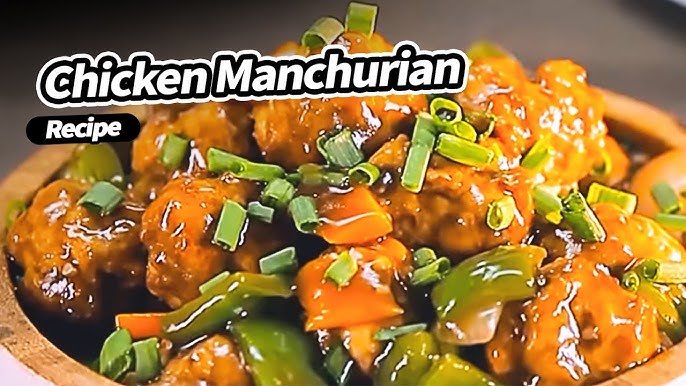
There is something undeniably comforting about a bowl of hot, saucy Manchurian, but the difference between a mediocre dish and a restaurant-quality masterpiece often lies in the texture. Achieving the perfect gravy thickness is an art form that balances flavor, sheen, and consistency. Whether you prefer the fiery kick of Gobi Manchurian or the savory depth of the chicken variety, the gravy serves as the soul of the dish. In this guide, we dive deep into the professional techniques and “secret” ingredients that ensure your sauce is never too watery or unpleasantly gloopy, but always just right.
1. The Role of Cornstarch Slurry
The most common method for achieving the perfect gravy thickness is a cornstarch slurry. Mixing cold water with cornstarch before adding it to the boiling sauce prevents clumps. It provides that signature glossy finish and immediate body that defines Indo-Chinese cuisine.
2. Temperature Matters for Thickening
Always add your thickening agent to a simmering liquid. If the sauce is boiling too vigorously, the starch may break down; if it is cold, it won’t activate. A gentle simmer allows the starch granules to swell and create a smooth, consistent texture.
3. The Ratio of Water to Starch
For a standard Manchurian gravy, a ratio of one tablespoon of cornstarch to two tablespoons of water is ideal. This creates a fluid liquid that integrates easily. Adjusting this ratio slightly allows you to control exactly how “velvety” the final sauce becomes.
4. Avoiding the “Raw Starch” Taste
To ensure your gravy tastes professional, cook the sauce for at least two minutes after adding the slurry. This “cook-off” period eliminates the gritty, floury taste of raw cornstarch, leaving behind only the rich flavors of your soy and chili sauces.
5. Using All-Purpose Flour as a Backup
While cornstarch is king, a small amount of all-purpose flour (maida) can be used for a more opaque, hearty thickness. However, use it sparingly, as it creates a heavier mouthfeel compared to the light, translucent shimmer provided by traditional cornstarch.
6. The Impact of Soy Sauce Quality
The sodium and sugar content in your soy sauce affects how the gravy sets. Dark soy sauce adds more body and a deeper color, while light soy sauce is thinner. Using a combination of both helps balance the flavor profile and the physical density.
7. Aromatics as a Texture Base
Finely minced ginger, garlic, and celery act as a structural base for your gravy. When sautéed correctly, these aromatics release oils that emulsify with the liquids, providing a subtle “grit” that helps the sauce cling to the Manchurian balls.
8. Onion and Capsicum Surface Area
The way you cut your vegetables matters. Large petals of onion and capsicum provide surfaces for the thick gravy to adhere to. This ensures that every bite is coated in sauce, rather than the vegetables just swimming in a thin liquid.
9. The Secret of Tomato Ketchup
Many chefs use tomato ketchup not just for sweetness, but for its pectin content. Pectin acts as a natural thickener and stabilizer, helping to bind the vinegar and soy sauce into a cohesive, thick Manchurian gravy that doesn’t separate.
10. Managing Vinegar Acidity
High acidity can sometimes thin out a starch-based sauce. If you find your gravy is too runny despite adding starch, check your vinegar levels. Add the vinegar early in the process so it mellows out before the final thickening step.
11. Cornstarch vs. Arrowroot Powder
If you want an even clearer, more premium shine, try arrowroot powder. It functions similarly to cornstarch but stands up better to acidic ingredients. It provides a “cleaner” feel on the palate and is excellent for gluten-free Manchurian variations.
12. The Importance of Constant Stirring
When pouring in your thickener, stir the wok constantly. This prevents the starch from settling at the bottom and burning, or forming “jelly lumps.” A continuous circular motion ensures the thickness is distributed evenly throughout the entire batch.
13. Understanding “Carry-Over” Thickening
Manchurian gravy continues to thicken as it cools. If you reach the perfect thickness while it’s still on the high flame, it might turn into a paste by the time it reaches the table. Aim for a slightly thinner consistency than your final goal.
14. Balancing the Sugar Content
Sugar or honey doesn’t just add sweetness; it creates a syrupy consistency. In Indo-Chinese cooking, a pinch of sugar helps the gravy achieve a “glaze” effect, making the dish look vibrant and appetizing under dining room lights.
15. Deglazing the Wok
Before adding your bulk liquid, deglaze the wok with a splash of stock or water. This lifts the caramelised bits of garlic and ginger from the bottom, incorporating those solids into the gravy for a naturally thicker, more flavorful base.
16. Using Vegetable or Chicken Stock
Instead of plain water, use a concentrated stock. The natural proteins and minerals in stock provide a richer “mouthfeel” that makes the gravy feel thicker and more substantial without actually increasing the amount of starch used.
17. The Timing of the Manchurian Balls
Never add your fried Manchurian balls until the gravy has reached the desired thickness. If they sit in the sauce while it boils and thickens, they will absorb too much liquid, becoming soggy and thinning out your carefully prepared sauce.
18. Adjusting for “Dry” vs. “Gravy” Styles
For Dry Manchurian, use half the liquid but the same amount of aromatics. The goal here is a “coating” consistency rather than a pourable sauce. The starch slurry should be thicker to ensure it sticks to the protein immediately.
19. Using a High-Carbon Steel Wok
The intense heat of a professional wok helps evaporate excess water quickly. This rapid evaporation concentrates the flavors and helps the starches gelatinize almost instantly, resulting in a superior texture compared to standard non-stick pans.
20. Troubleshooting a Lumpy Sauce
If lumps form, don’t panic. You can pass the gravy through a fine-mesh strainer before adding the vegetables and Manchurian balls. This saves the dish and ensures the silky-smooth texture that characterizes high-end Chinese restaurant cooking.
SEO Meta Description
Learn the professional Manchurian secrets for achieving the perfect gravy thickness. Master cornstarch ratios, timing, and heat control for restaurant-style results.
Focus Keywords
- Manchurian gravy thickness
- Indo-Chinese cooking tips
- Cornstarch slurry ratio
- Perfect Manchurian sauce
- How to thicken gravy
- Restaurant-style Manchurian
FAQ Section
Q: Why is my Manchurian gravy turning watery after a few minutes? A: This usually happens if the cornstarch wasn’t cooked long enough or if the Manchurian balls released excess moisture. Ensure the sauce simmers for 2 minutes after adding the slurry.
Q: Can I thicken Manchurian gravy without cornstarch? A: Yes, you can use arrowroot powder, potato starch, or a tiny amount of all-purpose flour, though cornstarch provides the best gloss and transparency.
Q: How do I fix a gravy that is too thick? A: Simply whisk in a tablespoon of warm water or stock at a time over low heat until you reach your desired consistency.
Internal Linking Suggestions
- The Ultimate Guide to Crispy Veg Manchurian Balls: A deep dive into getting the perfect crunch.
- Essential Indo-Chinese Pantry Staples: Must-have sauces and spices for your kitchen.
- Wok Hei Mastery: How to achieve smoky restaurant flavors at home.
Conclusion
Mastering the perfect gravy thickness is the final step in transitioning from a home cook to a culinary enthusiast. By understanding the science of starches, the importance of temperature, and the role of high-quality aromatics, you can create a Manchurian dish that rivals any restaurant. Remember, the secret lies in the balance of shine and substance. Keep experimenting with these techniques to find the consistency that best suits your personal palate.