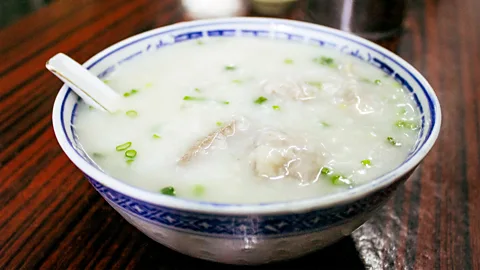
When the temperature drops or your immune system takes a hit, nothing provides solace quite like a steaming bowl of congee. Often described as the ultimate Asian soul food, congee is a silky rice porridge that has served as a cornerstone of wellness for centuries. It is more than just a meal; it is a gentle embrace for a weary body. By simmering rice in a large volume of liquid until it breaks down into a creamy consistency, you create a dish that is exceptionally easy to digest and incredibly versatile. Whether you are battling a winter chill or recovering from illness, congee stands out as the best healing meal for cold weather and recovery.
1. The Ancient Roots of Congee
Congee, known as jook in Cantonese or zhou in Mandarin, has been a medicinal staple in Asian cultures for millennia. Historically, it was used to stretch grain supplies during lean times while providing a hydrating, nutrient-dense base that could be easily fortified with herbs.
2. Why It Is Ideal for Digestion
The long simmering process breaks down the starch in the rice, making it “pre-digested” in a sense. This allows your gastrointestinal tract to absorb nutrients with minimal effort, which is crucial when your body is channeling its energy toward fighting off a virus or infection.
3. Maximum Hydration in Every Spoonful
Unlike dry rice dishes, congee uses a high water-to-grain ratio, often 7:1 or even 10:1. This makes it an excellent tool for rehydration, especially if you have been suffering from a fever or a stomach bug that has left you feeling depleted.
4. The Perfect Canvas for Flavors
On its own, congee is mild and neutral. This makes it the perfect vehicle for a variety of toppings and seasonings. You can pivot from a savory breakfast with soy sauce and scallions to a soothing medicinal bowl infused with ginger and goji berries.
5. Using High-Quality Rice Varieties
While jasmine rice is the standard for its floral aroma and soft texture, you can experiment with short-grain sushi rice for extra creaminess. For a healthier twist, mixing in a bit of brown rice or millet adds fiber and a nutty depth to the flavor profile.
6. The Magic of Homemade Bone Broth
To elevate congee from a simple porridge to a healing powerhouse, swap water for homemade chicken or beef bone broth. The collagen and minerals found in bone broth support gut health and joint recovery, making the meal even more restorative for the body.
7. Ginger: The Anti-Inflammatory Hero
Adding sliced ginger to the pot while the rice simmers is a classic technique. Ginger contains gingerol, which helps reduce nausea and inflammation. It also provides a warming sensation that is particularly comforting when you are shivering from a winter cold.
8. Garlic for Immune Support
Finely minced garlic can be stirred in at the end or fried as a topping. Garlic is rich in allicin, a compound known for its immune-boosting properties. It adds a punch of savory flavor while helping your body ward off seasonal sniffles.
9. Incorporating Lean Proteins
For a recovery meal, adding poached chicken breast, white fish, or silken tofu provides the protein necessary for tissue repair. These proteins are soft and easy to chew, ensuring the meal remains gentle on a sensitive or sore throat.
10. The Role of Fermented Toppings
Toppings like pickled radish, fermented bean curd, or kimchi add probiotics to your bowl. Probiotics are essential for maintaining a healthy gut microbiome, which plays a massive role in your overall immune system strength and ability to recover quickly.
11. Scallions and Fresh Herbs
A handful of chopped scallions or cilantro adds a bright, fresh contrast to the rich porridge. These herbs are rich in vitamins A and C, providing a micro-nutrient boost that helps refresh the palate and clear the sinuses during a heavy cold.
12. Using a Slow Cooker or Instant Pot
While traditional stovetop simmering is meditative, modern appliances make congee accessible. An Instant Pot can produce a perfect, velvety consistency in just 20 minutes, while a slow cooker allows you to wake up to a warm, healing breakfast ready to eat.
13. Managing Blood Sugar Levels
While white rice has a high glycemic index, the high water content in congee lowers the overall glycemic load per serving. To keep energy levels stable, focus on adding healthy fats like sesame oil or fiber-rich vegetables like spinach and shiitake mushrooms.
14. Shiitake Mushrooms for Vitamin D
Dried or fresh shiitake mushrooms are a fantastic addition. They offer an earthy umami flavor and contain beta-glucans, which are known to enhance immune function. They also provide a plant-based source of Vitamin D, often lacking during the winter.
15. The Comfort of Sesame Oil
A final drizzle of toasted sesame oil adds healthy fats and an incredible aroma. The scent of sesame is psychologically soothing, and the fats help with the absorption of fat-soluble vitamins found in your other toppings and vegetables.
16. Softening the Texture for Children
Congee is an excellent “first food” for toddlers or a gentle meal for children who are feeling under the weather. Its soft, pudding-like texture is rarely rejected by picky eaters, and it can be flavored simply with a little salt and chicken.
17. Customizing for Vegan Diets
You don’t need meat to make a powerful healing congee. Using a rich vegetable stock made from kombu (seaweed) and dried mushrooms provides a deep savory flavor and essential minerals like iodine, keeping the meal entirely plant-based and restorative.
18. Batch Cooking and Reheating
Congee keeps well in the refrigerator for up to four days. It will thicken as it sits, so simply add a splash of water or broth when reheating on the stove to return it to its original silky, comforting consistency.
19. The Psychological Benefits of Warmth
There is a profound psychological benefit to consuming warm liquids during recovery. The steam helps clear nasal passages, while the warmth promotes a sense of safety and relaxation, which is vital for the body’s parasympathetic “rest and digest” state.
20. Adding a Century Egg or Salted Egg
For those seeking a traditional experience, adding a century egg or a salted duck egg provides a creamy, salty richness. These preserved eggs are packed with iron and protein, offering a flavor profile that is both complex and deeply satisfying.
SEO Meta Description
Discover why congee is the best healing meal for cold weather and recovery. Learn how to make this comforting rice porridge to boost immunity and aid digestion.
Focus Keywords
- Congee benefits
- Healing rice porridge
- Cold weather comfort food
- Recovery meals for illness
- Easy digestion recipes
- Asian healing foods
- Immune boosting soup
FAQ Section
Q: What is the best ratio of water to rice for congee? A: A standard ratio is 1 cup of rice to 7 or 8 cups of liquid for a medium consistency. For a thinner, more hydrating soup, use a 10:1 ratio.
Q: Can I use leftover cooked rice to make congee? A: Yes! Simply simmer the cooked rice with extra broth or water for 15–20 minutes until the grains burst and the liquid becomes creamy.
Q: Is congee good for an upset stomach? A: Absolutely. It is one of the gentlest foods for the digestive system, making it a staple for those recovering from food poisoning or stomach viruses.
Internal Linking Suggestions
- The Ultimate Guide to Homemade Bone Broth: How to make the perfect base for soups and stews.
- Top 10 Anti-Inflammatory Spices to Keep in Your Pantry: Exploring the health benefits of ginger, turmeric, and more.
- Quick 30-Minute Winter Dinners: Healthy recipes to keep you warm and energized throughout the colder months.
Conclusion
Congee is more than just a simple bowl of rice; it is a time-tested remedy that balances nutrition, hydration, and comfort. Whether you are navigating a difficult recovery or simply looking for a way to stay warm during a harsh winter, this versatile dish provides everything your body needs to heal and thrive. By incorporating fresh ingredients and traditional techniques, you can transform a few pantry staples into the ultimate healing meal.