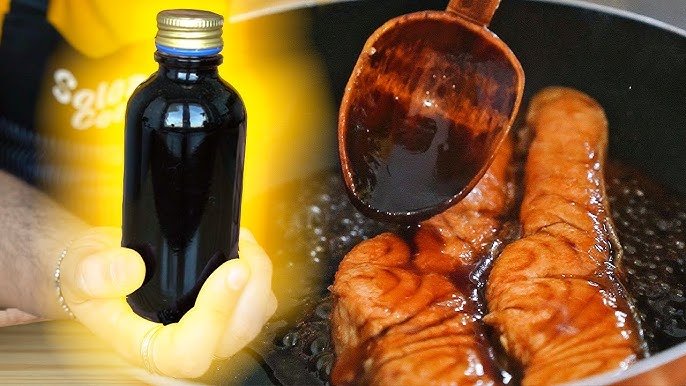
There is something undeniably satisfying about the glossy, umami-rich finish of a perfect glaze, but if you are still relying on store-bought versions, you are missing out. Learning to craft a homemade teriyaki glaze at home is a culinary game-changer that offers superior flavor, better ingredients, and complete control over sweetness. Most bottled brands are loaded with high-fructose corn syrup and preservatives that mask the delicate balance of ginger, garlic, and soy. By making your own, you unlock a vibrant, customizable sauce that elevates everything from grilled salmon to stir-fried vegetables with authentic Japanese-inspired flair.
1. The Superiority of Fresh Ingredients
Freshly grated ginger and minced garlic provide a sharp, aromatic punch that dried powders simply cannot replicate. When these aromatics infuse into the soy sauce base, they create a depth of flavor that makes your homemade teriyaki glaze taste like it came from a high-end restaurant.
2. Controlling the Sugar Content
Store-bought sauces are often cloyingly sweet. Making it yourself allows you to choose your sweetener—whether it’s traditional white sugar, brown sugar for molasses notes, or even honey. You can dial the sweetness up or down to perfectly suit your dietary preferences and palate.
3. Achieving the Perfect Glossy Finish
The “glaze” in teriyaki comes from the reduction of sugars. By simmering the sauce correctly, you achieve a beautiful, mirror-like sheen that clings to proteins. This aesthetic appeal is just as important as the taste, making your home-cooked meals look professionally prepared and appetizing.
4. Understanding the Soy Sauce Base
The quality of your soy sauce dictates the quality of your glaze. Using a naturally brewed soy sauce ensures a complex, fermented saltiness. For those with dietary restrictions, tamari is an excellent gluten-free alternative that maintains the rich, dark color and savory profile required for a great glaze.
5. The Role of Mirin in Authenticity
Mirin, a Japanese rice wine, adds a subtle acidity and a unique luster to the sauce. It is the secret ingredient that differentiates a basic soy syrup from a true homemade teriyaki glaze. If you can’t find mirin, a splash of dry sherry works well.
6. Balancing Salt and Acid
A splash of rice vinegar or a squeeze of lime juice can brighten the entire flavor profile. This acidity cuts through the saltiness of the soy and the richness of the sugar, ensuring the glaze feels light on the tongue rather than heavy or overwhelming.
7. Thickeners: To Cornstarch or Not?
Traditionalists reduce the sauce until it thickens naturally, but a cornstarch slurry is a reliable shortcut for a thick, honey-like consistency. Mix the starch with cold water before adding it to the boiling sauce to prevent lumps and ensure a crystal-clear, smooth texture.
8. Infusing Aromatics Properly
To get the most out of your garlic and ginger, sauté them briefly in a tiny bit of oil before adding the liquid ingredients. This toasts the aromatics, releasing essential oils that permeate the liquid, resulting in a much bolder and more sophisticated flavor profile.
9. Customizing Heat Levels
If you enjoy a spicy kick, a homemade version allows you to add red chili flakes or a teaspoon of chili paste. This “spicy teriyaki” variation is perfect for chicken wings or beef bowls, providing a heat level that commercial bottles rarely get right.
10. Cost-Effectiveness of Home Cooking
Most of the ingredients for a homemade teriyaki glaze are pantry staples. When you calculate the cost per ounce, making a large batch at home is significantly cheaper than buying premium bottled brands, saving you money while simultaneously improving your meal quality.
11. Avoiding Preservatives and Additives
Bottled glazes often contain xanthan gum, potassium sorbate, and artificial colorings. When you cook from scratch, you eliminate these unnecessary chemicals. You get a clean-label sauce that is healthier for your family and tastes much fresher than anything sitting on a shelf.
12. Ideal For Meal Prep
This glaze keeps exceptionally well in the refrigerator for up to two weeks. Making a double batch on Sunday means you have a quick flavor booster ready for busy weeknight dinners, making healthy eating much more convenient and flavorful.
13. Perfecting the Marinating Process
While the glaze is thick, you can thin a portion of it with extra water or pineapple juice to use as a marinade. This allows the flavors to penetrate deep into the meat before you apply the thick glaze during the final stages of cooking.
14. Enhancing Seafood Dishes
A thick teriyaki glaze is the ultimate partner for fatty fish like salmon or mackerel. The sugars caramelize beautifully under a broiler, creating a smoky, sweet crust that contrasts perfectly with the tender, flaky fish underneath.
15. The Secret of Toasted Sesame Oil
Adding a few drops of toasted sesame oil at the very end of the cooking process provides a nutty aroma that rounds out the sauce. Be careful not to add it too early, as high heat can turn its delicate flavor bitter.
SEO Meta Description
Stop settling for bland store-bought sauces! Learn how to make a rich, glossy homemade teriyaki glaze with this easy guide to better flavor and healthier ingredients.
Focus Keywords
- Homemade teriyaki glaze
- DIY teriyaki sauce recipe
- Healthy teriyaki sauce
- Teriyaki glaze ingredients
- Easy stir-fry sauce
- How to thicken teriyaki glaze
FAQ Section
Q: Can I make this glaze gluten-free? A: Absolutely! Simply swap the standard soy sauce for Tamari or liquid aminos. Both provide the necessary saltiness and color without the wheat content found in traditional soy sauce.
Q: How do I store my homemade glaze? A: Store your glaze in an airtight glass jar or bottle in the refrigerator. It will stay fresh and flavorful for up to 14 days. Shake well before using as some ingredients may settle.
Q: Why is my glaze too thin? A: If the sauce hasn’t reached your desired thickness, simmer it for a few more minutes to reduce the water content, or add a small amount of cornstarch slurry (1 tsp starch to 1 tsp water) and boil briefly.
Internal Linking Suggestions
- The Ultimate Guide to Asian Pantry Staples: A deep dive into the ingredients needed for authentic home cooking.
- 15-Minute Teriyaki Chicken Stir-Fry: A quick weeknight recipe utilizing your fresh homemade glaze.
- Mastering the Art of Meat Marinades: Tips and tricks for using sauces to tenderize and flavor various proteins.
Conclusion
Transitioning to a homemade teriyaki glaze is one of the simplest ways to upgrade your kitchen repertoire. By mastering the balance of salty soy, sweet sugar, and aromatic ginger, you gain a versatile tool that far surpasses any commercial product. Not only is it healthier and more affordable, but it also allows you to tailor every meal to your specific tastes. Start whisking today and experience the difference that fresh, handmade sauce makes.
Leave a Reply