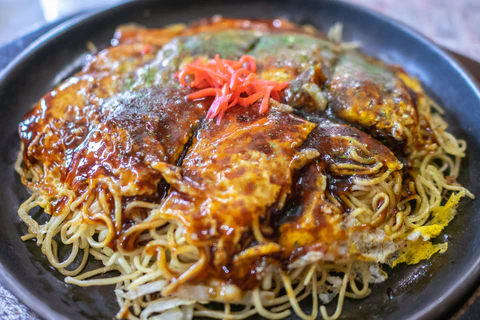
If you’re looking for the ultimate Japanese comfort food, look no further than this Okonomiyaki Guide: How to Make Japan’s Famous “Savory Pancake.” Often described as a cross between a pancake and a pizza, okonomiyaki is a customizable masterpiece of shredded cabbage, savory batter, and umami-rich toppings. Originating from the bustling streets of Osaka and Hiroshima, this dish has captured hearts worldwide. Whether you are a seasoned home cook or a curious foodie, learning to master this versatile meal allows you to bring a taste of Japanese soul food right into your own kitchen with ease.
1. Understanding the Meaning of Okonomiyaki
The name literally translates to “how you like it” (okonomi) and “grilled” (yaki). This reflects the dish’s versatile nature, where you can mix and match ingredients based on your personal preferences or whatever is left in your refrigerator.
2. The Core Ingredient: Shredded Cabbage
Cabbage is the undisputed star of the show. It provides the structure and a natural sweetness. For the best texture, slice the cabbage into thin ribbons so it softens quickly while maintaining a slight, satisfying crunch during the frying process.
3. Creating the Perfect Batter Base
The batter typically consists of flour, eggs, and dashi (Japanese soup stock). The dashi is crucial because it infuses the entire pancake with a deep, savory sea-flavor that plain water simply cannot replicate. Aim for a thick, yet pourable consistency.
4. The Secret Power of Nagaimo
Traditional recipes often include grated nagaimo (mountain yam). This unique root vegetable adds a fluffy, airy texture to the batter. If you can’t find it, a pinch of baking powder can act as a substitute to help the pancake rise.
5. Choosing Your Protein Fillings
Popular choices include thinly sliced pork belly, shrimp, squid, or even cheese. In the Osaka style, these proteins are either mixed into the batter or layered directly on top before flipping, creating a crispy, caramelized exterior that tastes incredible.
6. Osaka-Style vs. Hiroshima-Style
In Osaka, ingredients are mixed together before grilling. In Hiroshima, the ingredients are layered—usually starting with a crepe-like base, followed by a mountain of cabbage, noodles (yakisoba), and a fried egg. Both styles are delicious but offer different textures.
7. The Importance of Tenkasu
Tenkasu, or crunchy bits of deep-fried tempura batter, are often added to the mix. These little gems provide “pockets” of fat and crunch within the pancake, making the interior much more flavorful and interesting to eat.
8. Mastering the Flip
Flipping a large okonomiyaki can be intimidating. Use two large spatulas and commit to a swift, confident motion. Don’t worry if a few pieces of cabbage escape; simply tuck them back under the pancake once it’s flipped over.
9. Controlling the Heat
Cook your pancake over medium-low heat. Because it is thick, a high flame will burn the outside before the cabbage and batter in the center are fully cooked. Patience is the key to a golden-brown, perfectly cooked center.
10. The Signature Okonomiyaki Sauce
No okonomiyaki is complete without its specific sauce. It is a thick, dark, and sweet-savory condiment similar to Worcestershire but much thicker. It provides the bold “punch” that defines the dish’s flavor profile.
11. The Art of Kewpie Mayo
Japanese mayonnaise (like Kewpie) is richer and creamier than Western versions because it uses egg yolks instead of whole eggs. Drizzle it in a zigzag pattern across the top for a professional, restaurant-quality look and taste.
12. Aonori: The Finishing Touch
Aonori (dried green seaweed powder) is sprinkled over the top at the very end. It adds a vibrant green color and a subtle earthy fragrance that balances the sweetness of the sauce and the richness of the mayo.
13. Katsuobushi: The “Dancing” Flakes
Adding dried bonito flakes (katsuobushi) is the most theatrical part. Due to the steam rising from the hot pancake, the paper-thin fish flakes appear to “dance.” They provide a massive boost of umami and a smoky aroma.
14. Using a Cast Iron Skillet
While a flat griddle (teppan) is traditional, a cast iron skillet is the best home substitute. It retains heat exceptionally well, ensuring that the pork belly gets crispy and the batter develops a beautiful crust.
15. Benishoga for a Zesty Kick
Benishoga, or red pickled ginger, is often mixed into the batter or used as a garnish. Its bright acidity cuts through the savory richness of the fried ingredients, cleansing the palate between every delicious bite.
16. Vegetarian and Vegan Adaptations
You can easily make this vegetarian by using a kombu-based dashi and omitting the pork. For a vegan version, use a flax egg or additional grated yam to bind the cabbage together without losing that signature texture.
17. Serving and Sharing Etiquette
Okonomiyaki is traditionally a social food. In Japan, it’s often cooked on a large griddle in the center of the table. At home, serve it immediately while piping hot, cutting it into wedges or squares like a pizza.
18. Storing and Reheating Leftovers
If you have leftovers, they store well in the fridge for up to two days. To reheat, avoid the microwave if possible; a quick sear in a pan will help restore the crispiness of the exterior and the cabbage.
SEO Meta Description
Learn how to cook authentic Japanese savory pancakes with our ultimate Okonomiyaki Guide. Master the batter, toppings, and flipping techniques for a perfect meal.
Focus Keywords
- Okonomiyaki Guide
- Japanese savory pancake
- Osaka style okonomiyaki
- Okonomiyaki recipe tips
- Japanese comfort food
- How to make okonomiyaki
FAQ Section
Q: Can I make okonomiyaki without dashi? A: While dashi provides the most authentic flavor, you can substitute it with chicken or vegetable broth. If using water, add a little extra salt or soy sauce to the batter.
Q: What is the best cabbage to use? A: Standard green cabbage is the traditional choice. It holds its shape well when heated. Napa cabbage is a bit too watery and may make the pancake soggy.
Q: Is okonomiyaki healthy? A: Since the bulk of the dish is cabbage, it is packed with fiber and vitamins. However, the toppings like mayo and sugary sauce add calories, so enjoy it in moderation!
Internal Linking Suggestions
- Top 10 Japanese Street Foods You Must Try at Home
- A Beginner’s Guide to Essential Japanese Pantry Staples
- The Difference Between Ramen, Udon, and Soba Noodles
Professional Conclusion
Mastering okonomiyaki is a rewarding journey into the heart of Japanese home cooking. By focusing on fresh cabbage, a flavorful dashi base, and the iconic “big four” toppings—sauce, mayo, seaweed, and bonito flakes—you can create a restaurant-quality meal in minutes. This dish is the perfect example of how simple ingredients can transform into a complex, satisfying feast. Now that you have the tools, it’s time to fire up the stove!
Leave a Reply