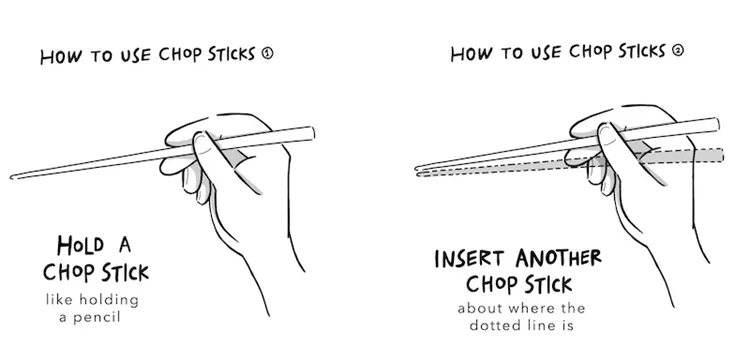
Whether you are dining at a high-end sushi bar in Tokyo or enjoying a casual dim sum brunch with friends, mastering chopstick etiquette is about more than just dexterity; it is about showing respect for the culture and the chef. While many people focus on the physical challenge of picking up a slippery noodle, the unspoken social rules are often where diners stumble. Making a faux pas can range from slightly awkward to deeply offensive depending on the setting. In this guide, we will break down the essential “do’s and don’ts” to ensure you navigate your next Asian meal with confidence and grace.
1. The Vertical Stick Taboo
Never stick your chopsticks vertically into a bowl of rice. In many Asian cultures, particularly in Japan and China, this mimics the appearance of incense sticks offered to the dead during funeral rites. It is considered an omen of bad luck and is highly disrespectful to your hosts.
2. Passing Food Pair-to-Pair
Avoid passing food directly from your chopsticks to someone else’s. This specific action mirrors a somber ritual in Japanese funerals where the bones of the deceased are handled. If you want to share a delicious morsel, place it directly onto the other person’s plate instead.
3. The Drumstick Habit
Chopsticks are eating utensils, not musical instruments. Tapping them against the side of your bowl or clicking them together in the air is considered childish and rude. In some traditions, drumming on your bowl is also associated with beggars asking for food, which insults the provider.
4. Pointing with Your Utensils
Just as you wouldn’t point a knife at someone, you should never point your chopsticks at a dining companion while talking. This is seen as aggressive and confrontational. If you need to gesture, set your chopsticks down on the rest or the table first.
5. Digging for Treasure
Avoid “bridge fishing” or digging through a communal dish to find a specific piece of meat or vegetable. This is seen as greedy and unhygienic. Observe the dish, decide what you want, and pick up the piece that is closest to the top or side.
6. Spearing Your Food
It can be tempting to poke a stubborn piece of food like a meatball or a taro root to pick it up, but spearing is a major breach of chopstick etiquette. It suggests the food is too tough or that you lack the skill to eat properly.
7. Using Uneven Pairs
Always ensure your chopsticks are level and even. Using two different types of sticks or holding them so they are mismatched in length is considered messy. It is believed in some cultures that uneven chopsticks represent a lack of balance in one’s life.
8. Licking the Tips
Licking or sucking on the tips of your chopsticks is considered extremely poor manners. Not only is it unhygienic when sharing communal dishes, but it also signals a lack of patience and refinement. Keep the tips clean and focused on the food.
9. The Hovering Hesitation
Do not hover your chopsticks over various dishes while you decide what to eat. This “wandering” behavior is seen as indecisive and greedy. Make your choice mentally before moving your hand toward the serving platter to maintain a polite dining flow.
10. Crossing Your Sticks
When you are finished or taking a break, avoid crossing your chopsticks in an “X” shape. In many cultures, crossed chopsticks symbolize death or a refusal of the meal. Instead, place them parallel to each other on the designated chopstick rest.
11. Rubbing Disposable Sticks
While many do it to remove splinters, rubbing wooden chopsticks together vigorously can be offensive in a restaurant. It implies that the establishment provides cheap, low-quality utensils. If there are actual splinters, gently remove them by hand away from the table.
12. Using Them as Hair Pins
Unless the chopsticks are specifically designed as hair accessories, never take them from the table to pin back your hair. It is unsanitary and treats a dining tool as a fashion item, which is looked down upon in traditional settings.
13. Pulling Dishes Closer
Never use your chopsticks to pull a bowl or plate toward you. This “hooking” motion is lazy and rude. If a dish is out of reach, politely ask someone to pass it to you or lean forward to reach it.
14. Clearing the Plate
In some cultures, leaving your chopsticks on an empty plate signifies you are finished, but they must be placed neatly. Leaving them scattered suggests you didn’t enjoy the meal. Always return them to the rest to show you are a refined guest.
15. The Proper Grip
Holding your chopsticks too close to the tips makes you look like a beginner, while holding them too far back can look clumsy. Finding the “sweet spot”—usually about two-thirds of the way up—provides the best leverage and follows traditional standards.
16. Resting on the Bowl
Avoid resting your chopsticks directly across the top of your bowl like a bridge. In some regions, this indicates you have finished your meal and want the table cleared. Use the hashioki (rest) or the paper sleeve they came in.
17. Stirring the Soup
While it’s fine to use chopsticks to eat the solid ingredients in a soup, do not use them to stir the liquid vigorously. This can be splashing and messy. Use a spoon for the broth and chopsticks for the noodles or tofu.
18. Dropping Your Sticks
While accidents happen, dropping your chopsticks is often seen as a sign of bad luck or clumsiness. If you do drop one, politely ask the server for a fresh pair rather than wiping the dirty one off with a napkin.
19. Handling Communal Spoons
If a communal dish comes with a serving spoon, use that instead of your personal chopsticks. If no serving utensil is provided, some cultures suggest using the “clean” back ends of your chopsticks to move food to your plate.
20. Excessive Waving
When engaged in an intense conversation, it’s easy to wave your hands around. If you are holding chopsticks, this becomes a safety hazard and is visually distracting. Set them down before you start a long story or a passionate debate.
SEO Meta Description
Learn essential chopstick etiquette and avoid the 5 major mistakes that can ruin a meal. Master traditional dining rules to show respect and eat like a pro.
Focus Keywords
- Chopstick etiquette
- Dining manners
- Asian food culture
- How to use chopsticks
- Eating mistakes
- Cultural respect
- Sushi dining tips
FAQ Section
Q: Is it okay to eat sushi with my hands? A: Yes! In many traditional Japanese settings, it is perfectly acceptable—and sometimes preferred—to eat nigiri sushi with your hands. However, sashimi should always be eaten with chopsticks.
Q: What should I do if there is no chopstick rest? A: You can fold the paper sleeve that the chopsticks came in into a small triangle or “tent” to create a makeshift rest. Avoid laying them directly on the tablecloth.
Q: Can I use chopsticks to cut large pieces of food? A: Generally, no. Most Asian dishes are prepared in bite-sized pieces for this reason. If a piece is too large, try to pick it up and take a bite, rather than sawing at it with the sticks.
Internal Linking Suggestions
- The Ultimate Guide to Sushi Varieties: Nigiri vs. Sashimi
- How to Set a Traditional Japanese Table for Guests
- 10 Essential Ingredients for Your First Authentic Stir-Fry
Conclusion
Navigating the nuances of chopstick etiquette might feel daunting at first, but it is ultimately an exercise in mindfulness and respect. By avoiding these common mistakes—especially the cultural taboos regarding rice and sharing—you demonstrate an appreciation for the heritage behind the food. Remember, everyone started as a beginner. As long as you remain observant and polite, your hosts will value your effort far more than your technical precision.
Leave a Reply