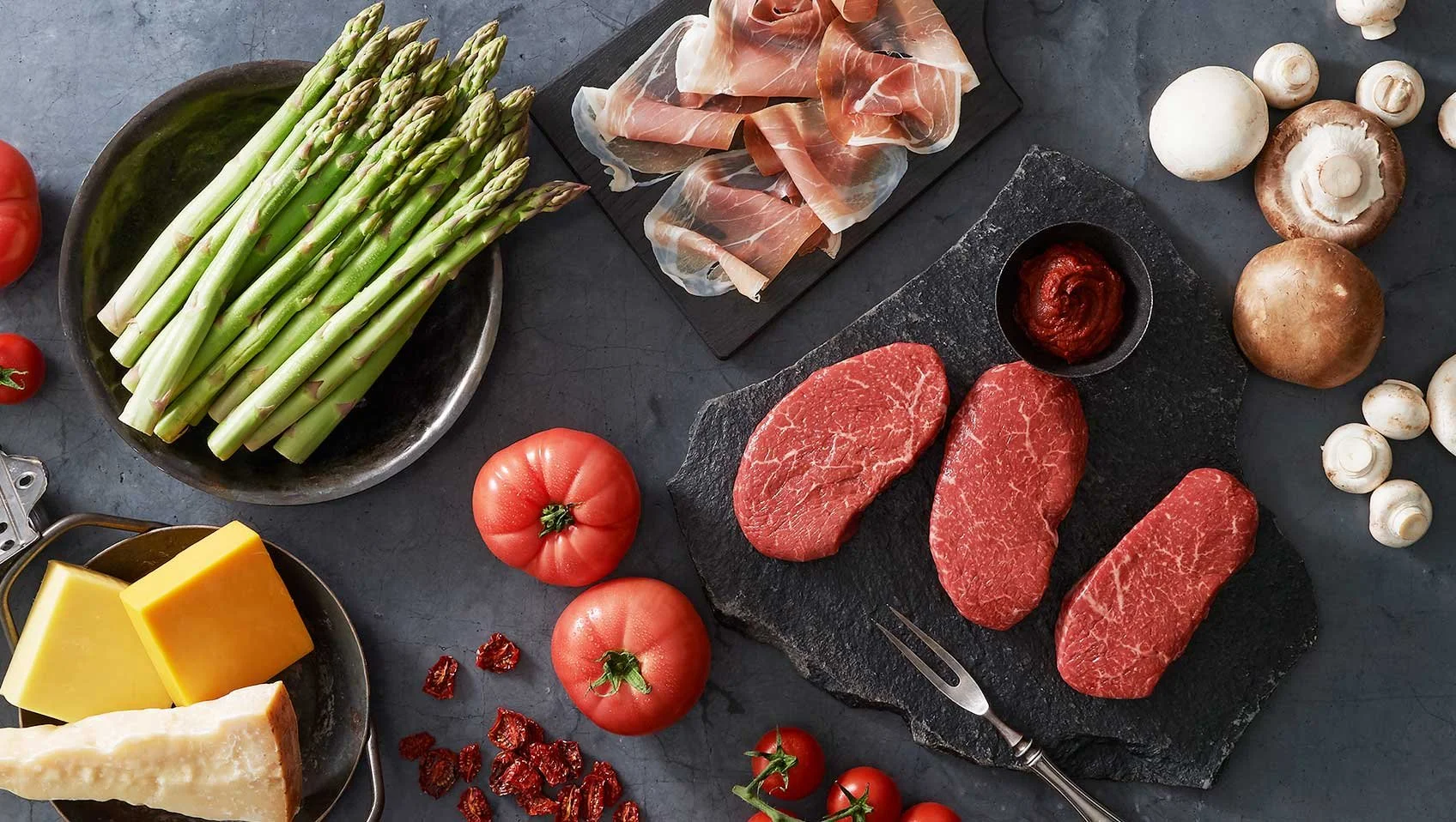
Have you ever tasted a dish that felt “complete,” even if you couldn’t quite put your finger on why? That deeply savory, mouth-watering sensation is known as umami. While we are all familiar with sweet, sour, salty, and bitter, unlocking umami is the secret to transforming a good meal into an unforgettable culinary experience. Often described as meatiness or brothiness, this fifth taste is more than just a buzzword; it is a fundamental element of flavor chemistry. By understanding how to harness umami, you can balance flavors and add incredible depth to your home cooking without relying solely on salt.
1. The Discovery of Umami
In 1908, Japanese chemist Kikunae Ikeda identified a unique taste in dashi broth that didn’t fit the four standard categories. He coined the term “umami,” meaning “deliciousness.” It was eventually recognized globally as the fifth basic taste perceived by our receptors.
2. The Science of Glutamates
Umami is primarily triggered by glutamate, an amino acid found naturally in many foods. When these glutamates hit the tongue, they signal the brain to perceive a savory, long-lasting flavor. Understanding this chemical reaction is the first step to level up your cooking.
3. Synergistic Effects
Umami isn’t a solo act. When you combine glutamate-rich foods with nucleotides like inosinate or guanylate, the savory sensation is amplified exponentially. This explains why classic pairings like burger meat and cheese or tomato sauce and parmesan taste so satisfying.
4. Ripening for Flavor
As fruits and vegetables ripen, their glutamate levels naturally increase. A perfectly ripe, sun-drenched tomato has significantly more umami than a pale, out-of-season one. Choosing peak-season produce is an easy way to naturally boost the savory profile of your vegetarian dishes.
5. The Magic of Fermentation
Fermentation breaks down proteins into free amino acids, including glutamate. This is why soy sauce, miso, and kimchi carry such a massive savory punch. Adding a splash of fermented liquids can instantly correct a flat-tasting soup or stew.
6. Cured Meats and Depth
Curing meat involves salt and time, which concentrates flavors and releases savory compounds. Bacon, pancetta, and prosciutto are umami powerhouses. Even a small amount of finely diced cured meat can provide a robust foundation for sauces and braises.
7. Aged Cheeses
The white crystals you see on aged Parmigiano-Reggiano are actually clusters of glutamate. These hard cheeses are among the most concentrated sources of umami in the dairy world. Don’t toss the rinds; simmer them in stocks to extract every bit of savory goodness.
8. The Power of Mushrooms
Mushrooms, particularly dried varieties like Shiitake or Porcini, are packed with guanylate. Rehydrating dried mushrooms provides a liquid gold broth that adds an earthy, meaty complexity to risottos and gravies without the need for actual meat.
9. Sea Vegetables
Kombu (dried kelp) is the original source of Ikeda’s umami discovery. Adding a small piece of kombu to simmering beans or soup stocks infuses the liquid with pure savory essence without making the dish taste “fishy” or overly oceanic.
10. Tomato Paste Secrets
Tomatoes are the kings of the plant-based umami world. For maximum impact, sauté your tomato paste until it turns a deep brick red. This caramelization process intensifies the savory compounds, providing a rich, savory backbone for Mediterranean and Western dishes.
11. Anchovies: The Secret Ingredient
Many home cooks shy away from anchovies, but they are umami bombs. When dissolved in hot oil, they lose their “fishy” taste and melt into a salty, savory base. They are the “secret ingredient” in many world-class pasta sauces and dressings.
12. Utilizing Soy Sauce
Soy sauce isn’t just for Asian cuisine. Because it is a liquid concentrate of fermented protein, a teaspoon can enhance the browning of a beef stew or add complexity to a balsamic glaze. It provides both salt and depth simultaneously.
13. Toasting and Maillard Reaction
Browning meat or vegetables creates the Maillard reaction, which produces complex flavor compounds. This sear on a steak or the golden crust on roasted cauliflower is a physical manifestation of umami. Always sear your proteins for a deeper flavor profile.
14. Nutritional Yeast for Vegans
For those avoiding animal products, nutritional yeast is a vital tool. It has a nutty, cheesy, and deeply savory profile. It’s an excellent way to add umami to popcorn, vegan sauces, or roasted vegetables while keeping the dish plant-based.
15. The Role of Fish Sauce
In Southeast Asian cooking, fish sauce provides the essential savory foundation. A few drops in a vinaigrette or a marinade can brighten the other ingredients while providing a lingering, savory finish that balances out sugar and lime juice perfectly.
16. Onions and Garlic
When slowly caramelized, onions release sugars and savory compounds that act as a flavor bridge. Garlic, particularly when roasted, provides a mellow, savory sweetness that rounds out the sharper notes in a dish, contributing to the overall umami sensation.
17. Reducing Liquids
Reducing stocks and sauces concentrates the amino acids. A thin broth might lack impact, but once reduced by half, the umami becomes much more prominent. This concentration is why a well-made demi-glace tastes so much richer than a simple gravy.
18. Balancing with Acid
While umami provides depth, it can sometimes feel heavy. To keep your palate engaged, balance savory flavors with acid, like lemon juice or vinegar. The acid cuts through the richness, making the umami notes pop even more vividly.
19. Using Worcestershire Sauce
Worcestershire sauce is a complex blend involving fermented anchovies, tamarind, and vinegar. It is a convenient “umami in a bottle” that works wonders in meatloaf, bloody marys, and steak marinades, providing a multi-layered savory experience instantly.
20. MSG: The Pure Form
Monosodium Glutamate (MSG) is the purest form of umami. Despite historical misconceptions, it is safe to use in moderation. A tiny pinch can enhance the natural flavors of a dish without changing the overall flavor profile, much like salt does.
SEO Meta Description
Discover how unlocking umami can transform your meals. Learn the science behind the fifth taste and get practical tips to level up your cooking with savory ingredients.
Focus Keywords
- Unlocking umami
- Fifth taste
- Savory cooking tips
- Glutamate-rich foods
- Natural flavor enhancers
- Maillard reaction
- How to use umami
FAQ Section
Q: What exactly does umami taste like? A: Umami is often described as a savory, meaty, or “mouth-filling” sensation. It isn’t salty or sweet on its own but adds a long-lasting richness and depth to food.
Q: Can I get umami in vegetarian cooking? A: Absolutely! Ingredients like sun-dried tomatoes, soy sauce, miso, mushrooms, nutritional yeast, and fermented vegetables are all excellent plant-based sources of umami.
Q: Is umami the same as salt? A: No, though they often go together. Salt enhances flavor, while umami provides a specific savory quality. Using umami-rich ingredients often allows you to use less salt overall.
Internal Linking Suggestions
- The Art of Fermentation: How to make your own kimchi and kombucha at home.
- Mastering the Maillard Reaction: The secret to the perfect sear on every steak.
- Essential Pantry Staples: 10 ingredients every home cook needs for better flavor.
Conclusion
Mastering the art of unlocking umami is one of the most effective ways to improve your culinary skills. By strategically using ingredients like aged cheese, fermented sauces, and roasted vegetables, you can create layers of flavor that satisfy the palate on a deeper level. Experiment with these savory boosters in your kitchen today and watch as your simple weeknight dinners transform into professional-quality meals. Happy cooking!
Leave a Reply