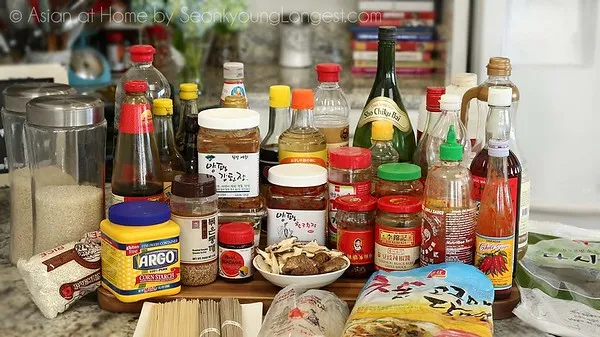
Walking down the international aisle of a grocery store can feel overwhelming, with rows of colorful bottles and unfamiliar labels staring back at you. However, mastering the art of stir-fries, curries, and noodle bowls starts with building a solid foundation of Asian pantry essentials. By stocking these 10 must-have ingredients for your kitchen, you unlock the ability to create restaurant-quality meals at home with ease. Whether you are a beginner cook or a seasoned foodie, understanding these flavor powerhouses is the first step toward exploring the diverse and vibrant world of Asian cuisine.
1. Light Soy Sauce for Salt and Umami
Light soy sauce is the workhorse of Asian cooking. Unlike its darker counterpart, it provides a salty, savory depth without overpowering the color of your dish. It is essential for seasoning stir-fries, creating quick dipping sauces, and marinating proteins to enhance their natural flavors.
2. Dark Soy Sauce for Rich Color
If you have ever wondered how restaurant noodles get that beautiful mahogany hue, dark soy sauce is the secret. It is thicker, less salty, and slightly sweeter than light soy sauce. Use it sparingly to add a professional, caramelized look to your braised meats and fried rice.
3. Toasted Sesame Oil
A tiny drizzle of toasted sesame oil goes a long way. Known for its intense nutty aroma, this oil is typically used as a finishing touch rather than a cooking fat. It adds an unmistakable fragrance to Korean bibimbap, Japanese dressings, and Chinese cold appetizers.
4. Rice Vinegar for Bright Acidity
Balance is key in Asian flavor profiles, and rice vinegar provides the necessary “zing.” It is milder and sweeter than Western white vinegar. It is the perfect choice for pickling cucumbers, seasoning sushi rice, or cutting through the richness of fatty pork dishes.
5. Shaoxing Rice Wine
This traditional Chinese cooking wine is a game-changer for neutralizing “meaty” odors and adding a complex, fermented undertone to sauces. If you want your home-cooked Kung Pao chicken to taste authentic, a splash of Shaoxing wine in the wok is absolutely non-negotiable.
6. Oyster Sauce for Savory Depth
Despite the name, oyster sauce doesn’t taste “fishy.” Instead, it offers a thick, syrupy consistency with a sweet and salty profile. It is the primary ingredient in classic broccoli beef and serves as a fantastic shortcut for making a glossy, savory glaze for vegetables.
7. Fish Sauce: The Southeast Asian Staple
Common in Thai and Vietnamese cooking, fish sauce provides a funky, salty punch that transforms into pure umami once cooked. It is the soul of Pad Thai and dipping sauces like Nuoc Cham. Don’t let the scent deter you; it is essential for depth.
8. Gochujang (Korean Chili Paste)
This thick, fermented red chili paste is both spicy and sweet. It’s the backbone of Korean cuisine, used in everything from stews to wing glazes. Its unique fermentation process gives it a savory “funk” that plain chili flakes simply cannot replicate.
9. Miso Paste for Fermented Goodness
Miso is a Japanese paste made from fermented soybeans. While famous for soup, it is also a versatile ingredient for marinades and dressings. White miso is mild and sweet, while red miso is bolder and saltier, offering a protein-packed flavor boost to any meal.
10. Dried Aromatics: Star Anise and Cinnamon
Many Asian stews and broths rely on whole spices for their signature warmth. Keeping star anise and cassia cinnamon sticks on hand allows you to master Vietnamese Pho or Chinese Five-Spice braises, infusing your kitchen with a cozy, professional-grade aroma.
11. Choosing the Right Rice
Your pantry isn’t complete without the right grains. Jasmine rice offers a floral scent perfect for Thai food, while short-grain sushi rice provides the stickiness needed for Japanese dishes. Having both ensures you can pair your main courses with the correct texture.
12. Chili Crisp: The Ultimate Topping
Chili crisp has become a global sensation for a reason. This crunchy, spicy oil filled with fried garlic and peppers adds texture and heat to anything. It’s perfect for drizzling over noodles, dumplings, or even fried eggs for an instant flavor upgrade.
13. Cornstarch for Silky Textures
In Asian cooking, cornstarch is used for “velveting” meat—a technique that keeps protein tender and juicy during high-heat frying. It is also the primary thickening agent for creating those clear, glossy sauces that cling perfectly to your vegetables and noodles.
14. Fresh Ginger and Garlic
While dry spices are great, fresh ginger and garlic are the “holy trinity” of Asian aromatics. Sautéing them at the start of your cook releases essential oils that define the flavor base of almost every stir-fry and soup in Eastern cuisine.
15. Curry Pastes for Quick Meals
Keeping jars of Green, Red, or Massaman curry paste can save your weeknight dinners. These concentrated pastes contain lemongrass, galangal, and shrimp paste, allowing you to whip up a complex Thai curry in under 20 minutes by just adding coconut milk.
16. Coconut Milk for Creaminess
High-quality, full-fat canned coconut milk is vital for balancing the heat in Southeast Asian curries. It provides a rich, velvety mouthfeel and a subtle sweetness that complements spicy chilies and salty fish sauce, creating a perfectly harmonious bowl of food.
17. Dried Noodles Variety
Stocking a mix of dried rice sticks, wheat noodles, and bean thread vermicelli ensures you are always ready for a quick meal. Different noodles suit different preparations—wide rice noodles for stir-frying and thin wheat noodles for comforting hot soups.
18. Fermented Black Beans
Small but mighty, fermented black beans (Douchi) provide a salty, pungent kick. They are the star of clams in black bean sauce or Mapo Tofu. A little goes a long way in adding a sophisticated, aged flavor to simple stir-fries.
19. Hoisin Sauce: The “Asian BBQ”
Hoisin is a thick, fragrant sauce made from soybeans, fennel, and garlic. It is famously served with Peking Duck but also works wonders as a glaze for ribs or a dipping sauce for spring rolls, offering a sweet and smoky profile.
20. Proper Storage of Asian Sauces
To maintain freshness, most fermented sauces like soy sauce can stay in the pantry, but toasted sesame oil and miso paste should be refrigerated to prevent them from going rancid or changing flavor. Proper storage ensures your Asian pantry essentials last for months.
SEO Meta Description
Unlock authentic flavors with these 10 must-have Asian pantry essentials. Learn how to use soy sauce, fish sauce, and more to create restaurant-quality meals at home.
Focus Keywords
- Asian pantry essentials
- Must-have Asian ingredients
- Essential Asian sauces
- Authentic Asian cooking at home
- Chinese cooking staples
- Thai food pantry list
FAQ Section
Q: Can I substitute salt for soy sauce? A: While soy sauce is salty, it also provides “umami” and color. Salt can provide the seasoning, but you will miss the depth of flavor that fermented soy provides.
Q: Does fish sauce expire? A: Because of its high salt content, fish sauce has a very long shelf life. It can last 2–3 years in a cool, dark place, though the color may darken over time.
Q: What is the best oil for stir-frying? A: Use oils with a high smoke point, like peanut, canola, or grapeseed oil. Avoid using toasted sesame oil for the actual frying, as it burns easily.
Internal Linking Suggestions
- The Ultimate Guide to Wok Cooking: A deep dive into techniques like “Wok Hei.”
- 15-Minute Weeknight Stir-Fry Recipes: Practical applications for your new pantry staples.
- Rice 101: Differences Between Jasmine, Basmati, and Sushi Rice: Helping readers choose the right base for their meals.
Conclusion
Building an authentic kitchen doesn’t require buying every item at once. By focusing on these Asian pantry essentials, you create a versatile toolkit that allows you to explore Chinese, Japanese, Korean, and Southeast Asian flavors. Start with the basics like soy sauce and ginger, then gradually expand your collection as you gain confidence. With these ingredients on your shelves, a world of delicious, vibrant, and healthy home-cooked meals is always within reach.
Leave a Reply