Chinese tea culture is a sophisticated tapestry of tradition, philosophy, and wellness that has spanned millennia. Beyond the delicate aromas and ceremonial grace, the primary appeal for many enthusiasts lies in its profound medicinal properties. Specifically, the relationship between Chinese tea culture and digestive health is a cornerstone of Traditional Chinese Medicine (TCM). From the fermented depth of Pu-erh to the floral notes of Chrysanthemum, certain blends act as natural catalysts for gut health. This guide explores how these ancient brews can soothe your stomach, eliminate bloating, and transform your post-meal experience into a ritual of restoration.
1. The Ancient Roots of Tea as Medicine
In China, tea was originally discovered and used as a medicinal tonic. Ancient scholars and healers recognized that specific leaves possessed “cooling” or “warming” properties that directly influenced the stomach’s ability to process heavy, oily, or complex modern meals.
2. Pu-erh: The King of Post-Meal Digestion
Pu-erh is perhaps the most famous blend for digestion. This fermented tea contains natural microflora and “good bacteria” similar to probiotics. Drinking it after a rich dinner helps break down fats and eases the heavy sensation of overeating.
3. Understanding the “Warming” Effect
In TCM, a “cold” stomach leads to sluggish digestion and bloating. Roasted oolongs or aged black teas provide a “warming” energy. This heat stimulates the metabolic fire, ensuring that nutrients are absorbed efficiently while waste is moved along.
4. Barley Tea (Damai Cha) for Bloating
While technically a grain tea, Damai Cha is a staple in Chinese households during summer. It is caffeine-free and specifically targeted at reducing abdominal distension. Its toasted flavor profile acts as a gentle digestive aid that settles an acidic stomach.
5. Oolong Tea and Lipid Metabolism
Oolong occupies the space between green and black tea. It is semi-oxidized, making it incredibly effective at emulsifying fats. Many people drink Tieguanyin oolong to help the body process greasy foods more effectively without feeling lethargic.
6. Ginger and Red Date Infusions
Often blended with black tea, ginger provides a spicy kick that increases digestive enzymes. Combined with red dates (Jujube), this blend tonifies the spleen and “Qi,” providing the energy your internal organs need to function at their peak.
7. The Role of Green Tea’s Catechins
Green tea is packed with polyphenols, particularly EGCG. These antioxidants help reduce inflammation in the gastrointestinal tract. However, it is best enjoyed about 30 minutes after eating to avoid interfering with the absorption of essential minerals like iron.
8. Chrysanthemum Tea for “Liver Heat”
When digestion is hindered by stress or “heat,” Chrysanthemum tea offers a cooling relief. It helps detoxify the liver, which in turn supports bile production. This flow is essential for the breakdown of fats during the digestive cycle.
9. Hawthorn Berry (Shan Zha) Blends
Dried hawthorn berries are frequently added to tea blends specifically to treat “food stagnation.” If you feel like your food is simply “sitting” in your stomach, the natural tartness of hawthorn stimulates gastric juices to accelerate breakdown.
10. The Importance of Water Temperature
In Chinese tea culture, the temperature of the water is as important as the leaves. Drinking iced tea can “shock” the digestive system. Using water at $80^\circ\text{C}$ to $100^\circ\text{C}$ ensures the tea’s medicinal oils are properly released.
11. White Tea for Gentle Cleansing
For those with sensitive stomachs, Silver Needle white tea is the perfect choice. It is the least processed variety, providing a high concentration of antioxidants without the astringency that can sometimes irritate a delicate gut lining.
12. Timing Your Tea for Maximum Benefit
To optimize digestion, timing is everything. Drinking tea immediately before a meal can dilute digestive juices. The “sweet spot” is usually 20 to 30 minutes after your last bite to assist the natural movement of the gut.
13. The Art of Mindful Sipping
Digestion begins in the brain. The ritual of preparing Chinese tea encourages a parasympathetic state (rest and digest). By slowing down and focusing on the tea’s aroma, you signal your body to relax and process food properly.
14. Tangerine Peel (Chen Pi) Additions
Aged tangerine peel is a secret weapon in Chinese tea blends. It is believed to “regulate Qi” and dry up dampness in the body. Adding a small piece to your Pu-erh can significantly reduce gas and bloating.
15. Black Tea (Hong Cha) for Gastric Comfort
Unlike green tea, Chinese black tea is fully oxidized. This process makes it gentler on the stomach lining. It is often recommended for those who suffer from occasional acid reflux or a sensitive stomach during the winter months.
16. Jasmine Tea for Stress-Related Gut Issues
Stress is a leading cause of IBS and digestive discomfort. Jasmine tea’s soothing floral scent has a sedative effect on the nervous system. When your mind relaxes, your gut muscles follow suit, preventing stress-induced cramping.
17. Avoiding Sugar and Milk
To reap the digestive benefits of Chinese tea, it should be consumed plain. Adding milk or sugar can actually cause fermentation in the gut, leading to the very bloating and gas you are trying to avoid.
18. The Spleen-Stomach Connection
In Chinese medicine, the Spleen and Stomach work as a pair. Tea blends that support the Spleen, such as those containing Astragalus or Licorice root, provide the foundational strength needed for long-term digestive health.
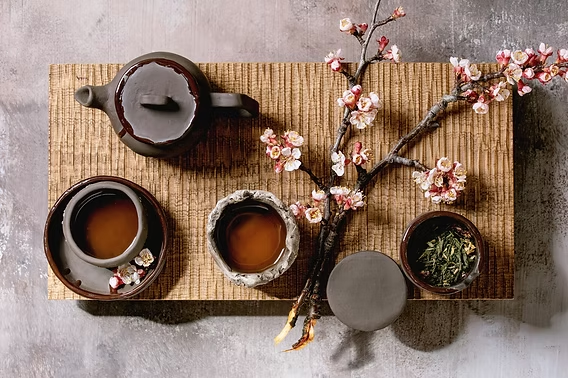
19. Gongfu Tea: Small Sips, Big Impact
The Gongfu tea ceremony uses small cups for a reason. Consuming tea in small, concentrated doses allows the body to absorb the compounds without overwhelming the bladder or diluting the stomach’s natural acids too quickly.
20. Rose Tea for Harmonizing Flow
Dried rosebuds are often mixed with light oolongs. Rose tea is known to move “stagnant Qi” in the chest and abdomen. It is particularly helpful for those who feel physical tension in their stomach during times of emotional worry.
21. Choosing High-Quality Loose Leaf
To improve digestion, quality matters. Avoid “dust” found in cheap tea bags, which can be high in fluoride and tannins. Loose-leaf teas contain the essential oils and whole nutrients necessary for a therapeutic effect.
SEO Meta Description
Discover how Chinese tea culture can transform your gut health. Learn about the best tea blends like Pu-erh and Oolong to improve your digestion and reduce bloating naturally.
Focus Keywords
- Chinese tea culture
- Best tea for digestion
- Pu-erh tea benefits
- Natural bloating remedies
- Chinese herbal tea
- Gut health tea blends
- Traditional Chinese Medicine tea
FAQ Section
Q: Which Chinese tea is best for bloating?
A: Pu-erh and Barley tea (Damai Cha) are widely considered the best for bloating. Pu-erh helps break down heavy fats, while Barley tea settles the stomach and reduces gas.
Q: Can I drink green tea on an empty stomach?
A: It is generally not recommended. The high tannin content in green tea can stimulate the secretion of stomach acid, which may cause nausea or discomfort if your stomach is empty.
Q: How many cups of tea should I drink for digestive benefits?
A: Most practitioners suggest 2 to 3 cups a day, preferably after meals. Consistency is more important than quantity when using tea as a wellness tool.
Internal Linking Suggestions
- The Ultimate Guide to Brewing Loose Leaf Tea at Home – Perfect for readers who want to learn the technical side of preparation.
- Top 10 Superfoods for Gut Health – A great follow-up for readers interested in the broader topic of digestion.
- The History of the Tea Ceremony – Provides more cultural context for those interested in the origins of Chinese tea.
Conclusion
Integrating Chinese tea culture into your daily routine is a simple yet powerful way to support your digestive system. Whether you choose the fermented richness of Pu-erh or the soothing floral notes of Jasmine, these ancient blends offer a natural, time-tested path to wellness. By prioritizing quality leaves and mindful brewing, you can turn every meal into an opportunity for healing. Start with one cup today and feel the difference in your gut health.