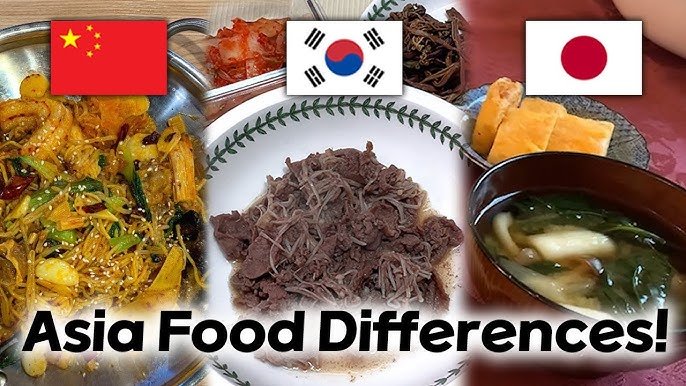
While the Western world often rushes through a bowl of cereal or a piece of toast, the morning ritual across East Asia is a vibrant, soul-warming affair. An East Asian breakfast is rarely just a meal; it is a balanced composition of texture, temperature, and tradition. From the savory street food stalls of Beijing to the fermented delicacies of Seoul and the refined simplicity of a Tokyo home, the morning menu offers a deep dive into regional culture. In this face-off, we explore how China, Japan, and Korea approach the first meal of the day, highlighting the unique flavors that define these culinary powerhouses.
1. The Soul of Congee in China
Congee, or zhou, is the ultimate Chinese comfort food. This silky rice porridge acts as a blank canvas for various toppings. Whether served plain with pickled vegetables or simmered with pork and century eggs, it provides a warm, hydrating start to a busy day.
2. The Golden Crunch of Youtiao
Often called “Chinese doughnuts,” youtiao are long, deep-fried strips of dough. They are airy, salty, and perfect for dipping into hot soy milk. This pairing is a staple of the East Asian breakfast experience, offering a satisfying contrast of textures.
3. Savory Jianbing Street Culture
Jianbing is a popular Chinese crepe made from mung bean flour and eggs. Topped with scallions, cilantro, hoisin sauce, and a crispy cracker, it is folded into a portable packet. It represents the fast-paced, flavorful energy of Chinese morning street food culture.
4. Dim Sum’s Morning Elegance
In Southern China and Hong Kong, yum cha transforms breakfast into a social event. Small steamer baskets filled with shrimp dumplings (hargow) and fluffy BBQ pork buns (char siu bao) allow diners to sample a wide variety of high-quality proteins and starches.
5. Fresh Soy Milk: The Universal Beverage
Unlike the sweetened cartons found in the West, traditional Chinese soy milk is often served fresh and hot. It can be enjoyed sweet or savory, the latter being curdled with vinegar and topped with dried shrimp and pickled radish.
6. The Traditional Japanese Ichigyu-Sansai
A traditional Japanese breakfast follows the “one soup, three sides” rule. This balanced structure ensures a mix of protein, carbohydrates, and probiotics. It is designed to provide sustained energy without the heavy “slump” associated with sugary Western breakfasts.
7. Miso Soup: A Probiotic Powerhouse
No Japanese morning is complete without miso soup. Made from fermented soybean paste and dashi stock, it often contains tofu, seaweed, or green onions. It aids digestion and provides a savory “umami” punch that awakens the palate gently.
8. Grilled Fish (Yakizakana)
Protein is central to the Japanese morning. A small fillet of salted salmon or mackerel is typically grilled until the skin is crispy. This provides essential omega-3 fatty acids and a salty kick that pairs perfectly with plain steamed rice.
9. Natto: The Polarizing Superfood
Natto, or fermented soybeans, is a staple for many in Japan. Though its slimy texture and pungent aroma are an acquired taste, it is packed with Vitamin K2 and protein. It is usually whipped with mustard and soy milk until frothy.
10. Tamagoyaki: The Sweet Omelet
Japanese rolled omelets, or tamagoyaki, add a touch of sweetness to the tray. Layers of seasoned egg are rolled carefully in a rectangular pan, resulting in a dense, custard-like texture that appeals to both children and adults.
11. Tsukemono: The Art of Pickling
Small dishes of pickled vegetables, such as takuan (yellow radish) or umeboshi (sour plum), provide acidity. These pickles cleanse the palate between bites of fish and rice, ensuring every flavor remains distinct and vibrant throughout the meal.
12. Korean Breakfast: A Reflection of Dinner
In Korea, the line between breakfast and dinner is beautifully blurred. A traditional morning meal consists of a hearty soup (guk), rice, and an array of side dishes (banchan), making it one of the most nutritious starts globally.
13. Kimchi: The Morning Essential
Kimchi is a non-negotiable part of a Korean breakfast. The spicy, fermented cabbage provides probiotics and a sharp heat that cuts through the richness of soups. It is believed to stimulate the appetite and boost the immune system.
14. Hearty Morning Soups (Guk)
Soups like Haejang-guk (hangover soup) or Miyeok-guk (seaweed soup) are common. These are nutrient-dense liquids that hydrate the body. Seaweed soup, in particular, is rich in iodine and iron, reflecting Korea’s focus on medicinal eating.
15. The Versatility of Banchan
Breakfast tables in Korea are crowded with small plates. From seasoned spinach to braised soy beans, these dishes offer a spectrum of minerals. The variety ensures that the meal is never boring and covers all nutritional bases.
16. Gilgeori Toast: The Modern Twist
For those on the go, “Street Toast” is a beloved Korean modern classic. It features a cabbage and egg omelet sandwiched between buttery toasted bread, sprinkled with a surprising pinch of sugar and ketchup for a salty-sweet finish.
17. Rice: The Common Thread
Across China, Japan, and Korea, rice remains the undisputed king. Whether it’s the porridge of China, the short-grain steamed rice of Japan, or the purple-hued multigrain rice of Korea, it provides the essential glucose needed for brain function.
18. Fermentation as a Health Pillar
A key takeaway from the East Asian breakfast is the reliance on fermentation. Between miso, natto, and kimchi, these cultures prioritize gut health every single morning, a practice that contributes to the region’s high longevity rates.
19. Balancing the Five Flavors
East Asian mornings focus on balancing salty, sweet, sour, bitter, and umami. Unlike Western breakfasts that lean heavily on sugar, these meals are designed to satisfy every taste bud, leading to fewer cravings throughout the rest of the day.
20. Tea Culture vs. Coffee
While coffee is growing in popularity, green tea and barley tea (boricha) remain traditional staples. These beverages are often served warm or room temperature, aiding in digestion rather than providing a harsh caffeine spike and crash.
SEO Meta Description
Discover the ultimate East Asian breakfast face-off! Compare the savory flavors of China, the balanced sets of Japan, and the spicy, fermented traditions of Korea.
Focus Keywords
- East Asian breakfast
- Traditional Japanese breakfast
- Korean morning meal
- Chinese breakfast street food
- Healthy Asian breakfast ideas
- Congee vs Miso soup
FAQ Section
Q: Is an East Asian breakfast healthier than a Western breakfast? A: Generally, yes. It focuses on whole grains, lean proteins, and fermented vegetables rather than processed sugars and high-fat meats, leading to better satiety and digestion.
Q: Can I eat kimchi or miso soup for breakfast every day? A: Absolutely. Many people in Japan and Korea do this daily to maintain gut health and energy levels without feeling heavy or bloated.
Q: What is the most common drink with an East Asian breakfast? A: Green tea, barley tea, or warm soy milk are the most traditional choices, though specialty coffees are becoming popular in urban centers.
Internal Linking Suggestions
- The Ultimate Guide to Making Congee at Home: A deep dive into rice porridge recipes.
- Top 10 Fermented Foods for Gut Health: Exploring the benefits of kimchi, miso, and more.
- Quick Street Food Recipes from Seoul: How to recreate Gilgeori toast in your own kitchen.
Conclusion
The East Asian breakfast landscape is a testament to the region’s respect for nutrition and culinary heritage. Whether you prefer the comforting warmth of Chinese congee, the meticulous balance of a Japanese breakfast set, or the bold, spicy kick of Korean banchan, there is something for everyone. Embracing these savory morning traditions can transform your daily routine, offering a more mindful and energizing start to your morning.
Leave a Reply