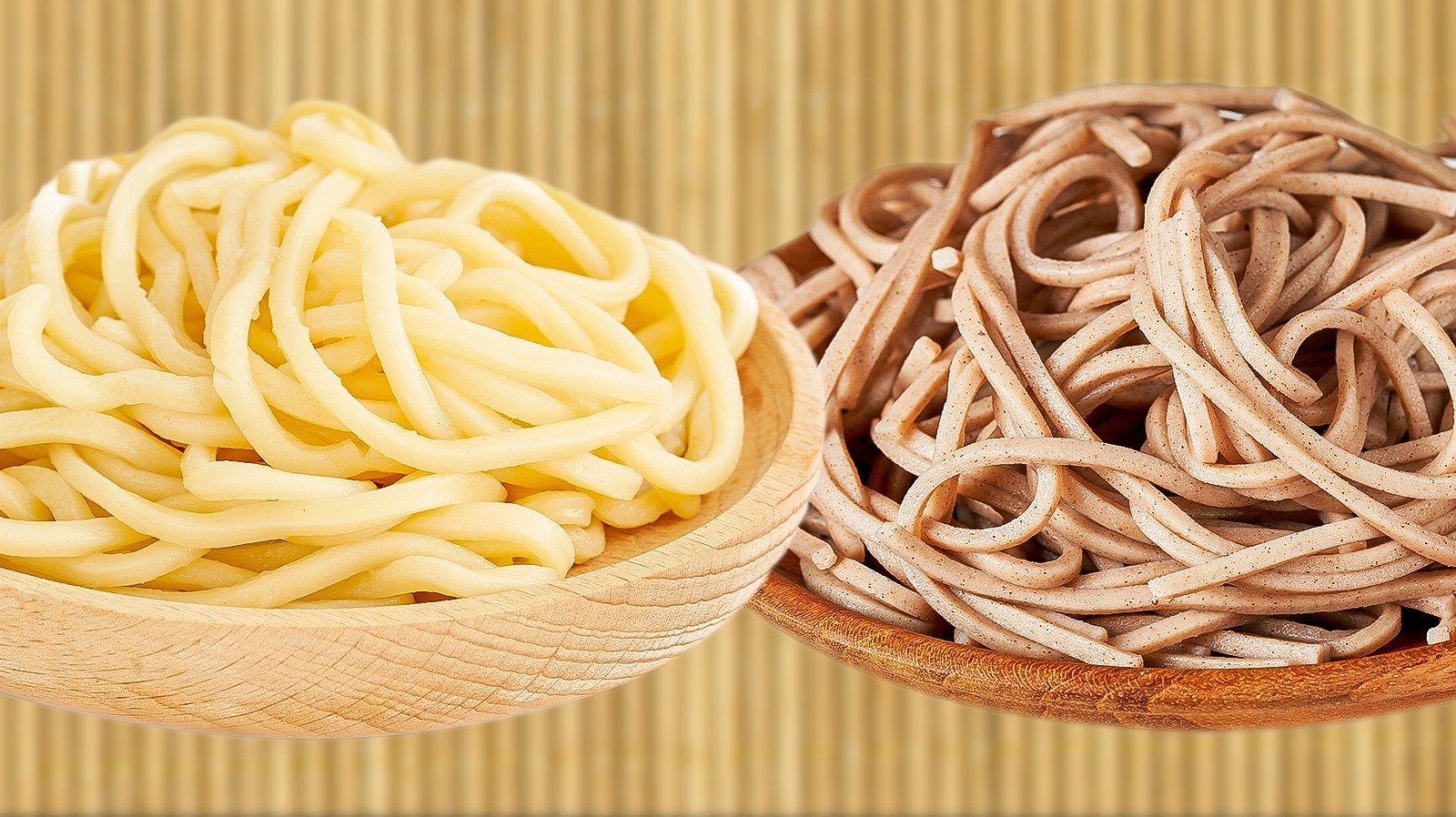
If you’ve ever sat down at a traditional Japanese eatery, you’ve likely faced the delicious dilemma of choosing between thick, chewy udon and earthy, slender soba. While both are staples of Japanese cuisine, they offer vastly different culinary experiences and nutritional profiles. Understanding the nuances of udon vs. soba is about more than just taste; it’s about how these noodles impact your health, energy levels, and digestion. In this guide, we’ll dive deep into the ingredients, caloric density, and unique benefits of each to determine which Japanese noodle is actually better for your specific lifestyle and dietary needs.
1. The Core Ingredients of Udon
Udon is a simple, elegant noodle made primarily from wheat flour, water, and salt. Its signature white color and glossy finish come from the high-quality refined wheat used. Because it contains gluten, it provides that iconic bouncy texture that soaks up savory dashi broths perfectly.
2. The Buckwheat Basis of Soba
Soba is traditionally made from buckwheat flour, which despite its name, is a gluten-free seed related to rhubarb. While many commercial varieties mix in wheat flour for stability, high-quality “juwari” soba is 100% buckwheat, offering a nuttier flavor and a more robust nutritional profile.
3. Caloric Comparison: A Close Race
When comparing raw numbers, udon and soba are surprisingly similar in calories. A standard serving of either contains roughly 190 to 210 calories. However, the way your body processes these calories differs significantly due to the fiber content and glycemic load found in buckwheat.
4. Glycemic Index and Blood Sugar
Soba is the clear winner for blood sugar management. It has a lower Glycemic Index (GI) than udon. This means soba provides a slower release of energy, preventing the sharp insulin spikes often associated with refined white flour products like traditional udon noodles.
5. Protein Content Benefits
Buckwheat is a nutritional powerhouse, containing all eight essential amino acids. Soba provides a more “complete” protein profile compared to udon. This makes soba an excellent choice for vegetarians or athletes looking to maximize their plant-based protein intake during a meal.
6. Rutin: Soba’s Secret Weapon
Soba contains a unique bioflavonoid called rutin. This powerful antioxidant helps strengthen capillaries and improve circulation. It is also known for its potential to lower blood pressure, a health benefit you won’t typically find in wheat-based udon noodles.
7. Dietary Fiber for Digestion
If digestive health is your priority, reach for the soba. Buckwheat is naturally higher in dietary fiber than refined wheat. This fiber aids in digestion, promotes satiety (the feeling of fullness), and helps maintain a healthy gut microbiome over time.
8. Thiamine and Vitamin B1
Soba is a rich source of Thiamine (Vitamin B1), which is essential for energy metabolism. Interestingly, when cooking soba, much of this vitamin leaches into the water. This is why many Japanese restaurants serve “sobayu”—the hot noodle cooking water—to drink after the meal.
9. Udon and Easy Digestion
While soba has more nutrients, udon is famous for being incredibly easy on the stomach. Because it is made from refined flour and is low in fat, it is the “comfort food” of choice in Japan when someone is recovering from illness or fatigue.
10. Gluten Sensitivity Concerns
Standard udon is always a “no-go” for those with Celiac disease or gluten intolerance. While many soba noodles contain some wheat (usually an 80/20 ratio), 100% buckwheat soba is a safe, delicious, and naturally gluten-free alternative for sensitive eaters.
11. Texture and Satiety
Udon’s thick, chewy nature provides a psychological sense of fullness and satisfaction. However, because it is a simple carbohydrate, you might find yourself hungry sooner. Soba’s complex carbs and fiber usually keep you feeling satisfied for a longer duration.
12. Sodium Content in the Dough
Udon often requires a significant amount of salt during the kneading process to develop its elastic texture. If you are monitoring your sodium intake for heart health, be mindful that the noodle itself may contribute more salt than the darker soba.
13. Hot vs. Cold Preparation
Both noodles can be served hot or cold. Cold soba (Zaru Soba) is often considered the healthiest preparation, as it preserves the integrity of the vitamins and is usually served with a light dipping sauce rather than a heavy, salt-laden soup base.
14. Vitamin B2 and Mineral Density
Soba contains higher levels of Vitamin B2 and minerals like magnesium and phosphorus. These nutrients are vital for bone health and skin repair. Udon, while providing quick energy, lacks the dense micronutrient profile found in the buckwheat seed.
15. The Role of Toppings
Regardless of the noodle, health is often determined by the toppings. Tempura udon can quickly become a high-calorie meal. Opting for soba with seaweed, green onions, and ginger maximizes the “superfood” potential of the buckwheat while keeping the meal lean.
SEO Meta Description
Discover the health benefits of udon vs. soba. Learn which Japanese noodle is better for weight loss, blood sugar, and digestion in this nutritional guide.
Focus Keywords
- Udon vs. soba
- Japanese noodle nutrition
- Is soba healthier than udon
- Buckwheat noodle benefits
- Low glycemic index noodles
- Gluten-free Japanese food
FAQ Section
Q: Is soba better for weight loss than udon? A: Generally, yes. Soba has a lower glycemic index and more fiber, which helps you stay full longer and prevents insulin spikes that can lead to fat storage.
Q: Can I eat udon on a gluten-free diet? A: No, udon is made from wheat flour and contains high levels of gluten. For a gluten-free option, look for 100% buckwheat (juwari) soba.
Q: Why is udon served when people are sick? A: Udon is made from refined flour, making it very easy for the body to break down and digest. It provides quick energy without straining the digestive system.
Internal Linking Suggestions
- The Ultimate Guide to Ramen Broths: Explore the nutritional differences between Miso, Shoyu, and Tonkotsu.
- Healthy Japanese Pantry Staples: 10 essential ingredients for authentic home cooking.
- Green Tea Benefits: Why sipping Matcha or Sencha after your noodle bowl aids digestion.
Conclusion
In the battle of udon vs. soba, the “better” noodle depends on your goals. If you need a gentle, easily digestible meal for a sensitive stomach, udon is your best friend. However, for those seeking a nutrient-dense, heart-healthy option that supports blood sugar stability, soba is the clear winner. By understanding these differences, you can enjoy your next Japanese meal with both flavor and wellness in mind.
Leave a Reply